

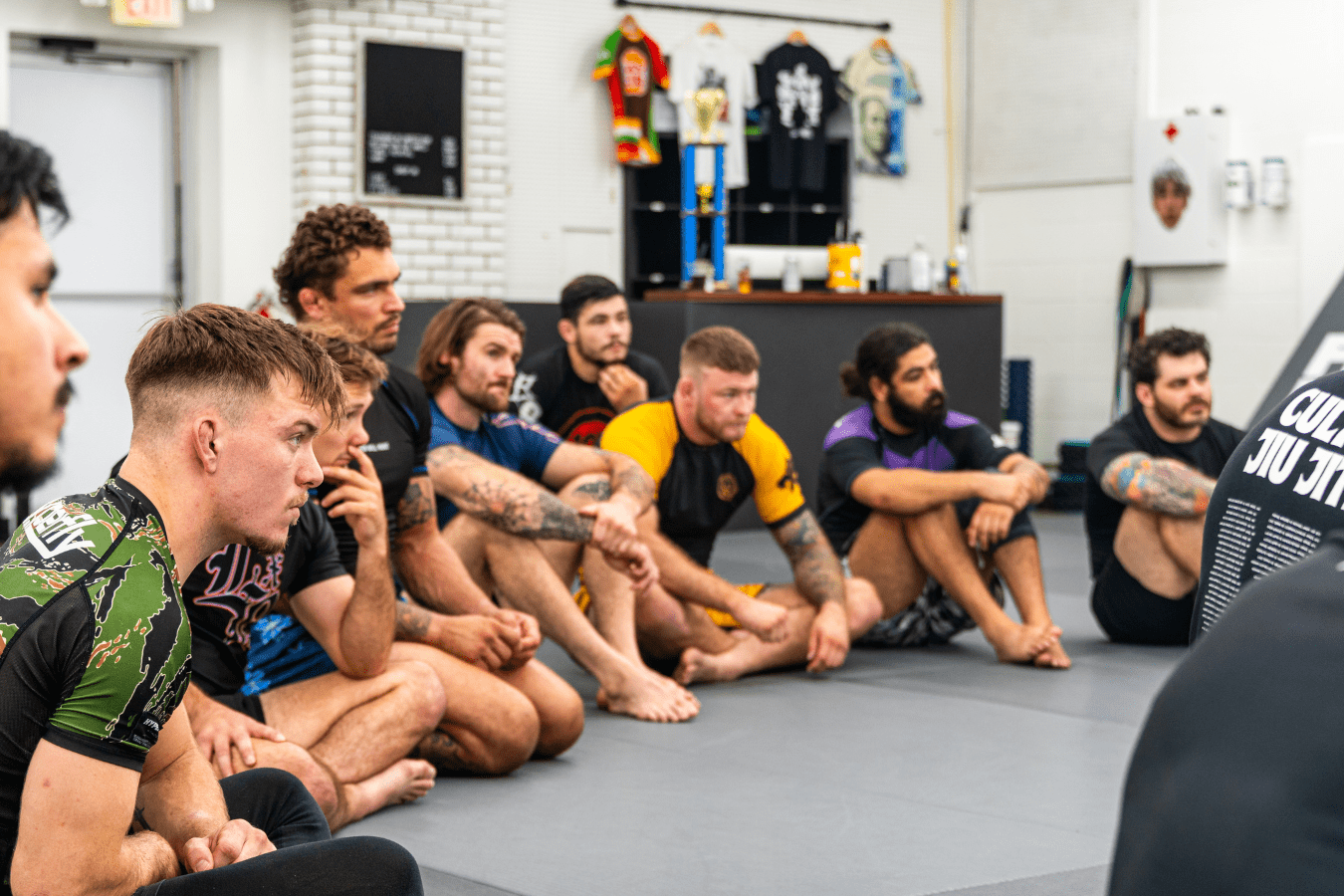
You can start training this week, even if you feel out of shape, busy, or unsure where to begin.
Starting martial arts as an adult in Austin can feel like a big leap, mostly because you do not know what the first day will actually be like. We meet a lot of people who are motivated, curious, and also a little cautious. That is normal. The good news is that adult training works best when it is structured, repeatable, and built for real life, not for perfection.
Austin has a deep fitness culture, and it is grown even more in the last few years. At the same time, plenty of adults want training that is practical and low-impact, helps with stress, and does not require a background in sports. That is exactly why we built our beginner path the way we did, so you can learn the basics with clarity, not chaos.
If you are searching for martial arts in Austin, TX, you probably want three things: a plan you can follow, coaches who can actually teach, and an environment where you can train consistently without feeling like you are behind. This guide walks you through the steps we recommend for starting as an adult, from your first class to building real momentum.
Why martial arts feels different as an adult (and why that is a good thing)
Adults start with advantages that beginners sometimes underestimate. You are more likely to be consistent when you understand the why, and you are better at pacing yourself. You also tend to care about useful skills, not just collecting moves. That mindset is perfect for learning a grappling-based martial art like Brazilian Jiu-Jitsu, where small details create big results.
A common misconception is that you need to be athletic first. In reality, training is what builds your coordination, balance, conditioning, and confidence over time. We focus on making the learning process simple and structured, so you do not have to guess what matters.
Another adult reality is recovery. Your sleep, your work schedule, and the amount of stress you carry into class all affect how you feel on the mats. We take that seriously by emphasizing technical precision and smart training habits, especially early on. Progress is not about going harder every day. It is about showing up, learning the right things, and stacking good weeks.
Step 1: Choose a clear goal for why you are training
Before you look at a class schedule, define what you want out of martial arts. Not a dramatic life mission, just a clear reason you can return to on the busy weeks. We usually see adult goals fall into a few practical buckets.
You might want self-defense skills that feel real, not choreographed. You might want a form of fitness that does not beat up your joints the way some workouts do. Or you might want a mental reset, something that forces you to be present and quiets the noise of the workday. All of those are valid, and you can have more than one.
When your goal is clear, it becomes easier to pick a training frequency and stick to it. Most adults make steady progress with two to three classes per week. More can be great, but consistency matters more than intensity, especially at the start.
Step 2: Know what to expect in your first class
If you have never done martial arts, your first class should not feel like getting tossed into the deep end. We design beginner sessions to be understandable from minute one, and we keep the focus on fundamentals: how to move safely, where your body should be, and how to solve basic problems on the ground.
You do not need fancy gear to begin. For your first session, comfortable training clothes are enough, and we will guide you from there. Expect a short warm-up that teaches useful movement, not random exhaustion. Then you will learn one or two core techniques and drill them with a partner. Depending on the day and your comfort level, you may also see light positional sparring, which is controlled practice from a specific situation.
The biggest win is simply getting familiar. The mats, the pace, the vocabulary, even the way you breathe when you are learning something new. That comfort builds fast when the class has structure.
Step 3: Start with fundamentals, not chaos
A solid beginner program should teach you the building blocks: base, posture, frames, escapes, and the key positions you will see over and over. We built our Fundamentals Program specifically for adults who want a clear path. No experience required, no special athletic background, and no competition goals needed.
Fundamentals is where you learn the “why” behind the movements. For example, you will learn how to survive when someone is on top of you, how to keep yourself safe while you move, and how to create leverage instead of trying to muscle through. That is one reason Brazilian Jiu-Jitsu has become one of the fastest-growing martial arts for adults, especially for people over 30 looking for skill-based training.
A technical approach also helps with injury prevention. When you understand positioning and pressure, you make smarter choices. You tap earlier, you move with intention, and you build durability instead of just collecting soreness.
Step 4: Build your weekly training rhythm (the part that actually changes you)
Most adults do not fail because they “are not tough enough.” They stop because training never becomes a habit. Our recommendation is to decide on your weekly training days in advance, like you would a work meeting you cannot miss.
Here is a simple rhythm that works for many people training martial arts in Austin:
1. Pick two weekday classes you can realistically attend for the next four weeks
2. Add one optional weekend session if your recovery feels good
3. Show up 10 to 15 minutes early to settle your mind and stretch a bit
4. Write down one lesson after class, even if it is just a sentence
5. Keep your first month focused on learning, not “winning” rounds
That last part matters. Early on, your job is to build pattern recognition. You are learning how to stay calm in pressure, how to breathe, and how to keep moving even when you feel stuck. Those are skills that transfer to everything, honestly, but especially to stressful workdays.
Step 5: Learn how to train safely as an adult
Safety is not an afterthought. It is a skill you practice. The best adult training environments are disciplined and professional, and we keep that standard because it helps you stay on the mats long enough to actually improve.
A few guidelines we teach early:
• Tap early and tap often when something feels tight, even if you think you could “tough it out”
• Communicate with your partner about pace, especially if you are new or returning after time off
• Focus on clean technique before adding speed, because speed without structure creates awkward positions
• Respect recovery with hydration, sleep, and at least one true rest day each week
• Train with controlled intensity, not ego, because your goal is progress next month, not just today
If you have old injuries, tell us. We can help you modify positions and choose training partners who will keep things controlled. Plenty of adults start with stiff necks, cranky knees, or tight backs from desk work. We see it every day in Austin, and it is manageable with smart training.
Step 6: Understand the “levels” of progress (so you do not get discouraged)
Adult beginners often expect progress to look linear. It does not. A more accurate pattern is: you learn something, you feel good, you struggle again, and then you notice you are struggling at a higher level. That is real progress.
In the first month, you will probably improve your movement and comfort more than your “ability to win.” You will learn what positions are called, how grips work in no-gi training, and how to protect yourself. Month two and three is where you start escaping more reliably and controlling positions for longer. After that, submissions begin to feel less like lucky guesses and more like logical outcomes.
The best part is that you can measure improvement in small, satisfying ways. Maybe you lasted longer without panicking. Maybe you recognized a sweep before it happened. Maybe you stopped holding your breath. Those are big wins in martial arts, even if nobody claps for them.
Step 7: Decide whether competition is part of your path (optional)
Some adults love the idea of testing themselves in local tournaments. Others never want to compete, and that is fine. Competition is a tool, not a requirement. Our job is to build your skills either way.
If you do want to compete, we can help you prepare with structured rounds, specific goals, and realistic pacing. Austin has a strong local scene, and training with intention makes a difference. If you do not want to compete, your training can stay focused on self-defense, fitness, and technical mastery. The room still benefits from your consistency and your attitude.
Either way, you will be training a skill set that is useful and honest. You learn what works when someone resists, and that is a big reason adults choose Brazilian Jiu-Jitsu when they are looking for martial arts in Austin.
Step 8: Make Austin logistics easy so you actually show up
It is a small thing, but it matters: make getting to class simple. We are located at 1701 W. Ben White Blvd, Ste 163, Austin, TX 78704, right off a main commuter route. If you work downtown, in South Austin, or you are bouncing between errands and family obligations, convenience can be the difference between “I will go someday” and “I train every week.”
Plan your arrival like you would for a workout class. Give yourself enough time to park, walk in, and decompress. Training goes better when you are not rushing and carrying stress through the door.
Also, be ready for Austin seasons. Summer heat changes hydration needs. Allergy season can affect breathing. Even small adjustments like bringing water and a towel can make your session feel smoother.
Take the Next Step
If you want a structured, adult-first approach to martial arts in Austin, our Fundamentals Program is built to make the early stages clear, safe, and genuinely enjoyable. We teach you the essential movements, positions, and principles so you can build confidence without needing a background in sports or any interest in competition.
You will find that consistency is the real secret. With the right coaching, a realistic schedule, and a room that values technical precision, you can make serious progress faster than you think. That is exactly what we focus on every day at Simple Man Martial Arts.
Become part of a community built on respect and growth at Simple Man Martial Arts.