
Martial Arts is one of the few workouts where you don’t just get stronger, you get known.
In Austin, it’s easy to stay busy and still feel a little disconnected. Our calendars fill up, traffic eats time, and even “healthy habits” can turn into solo routines. That’s one reason Martial Arts has quietly become a go-to option for adults and families who want something more than a treadmill and a playlist.
We see it every week: you come in for fitness, stress relief, or self-defense, and you end up with something unexpectedly valuable, real connection. Training gives you a place where people learn your name, notice when you show up, and help you improve without making it weird.
And if you’re wondering whether you need to be in shape, young, flexible, or fearless to start, our answer is simple: you just need a willingness to try, and we’ll handle the rest with a plan that makes sense.
Why Martial Arts builds community faster than most fitness routines
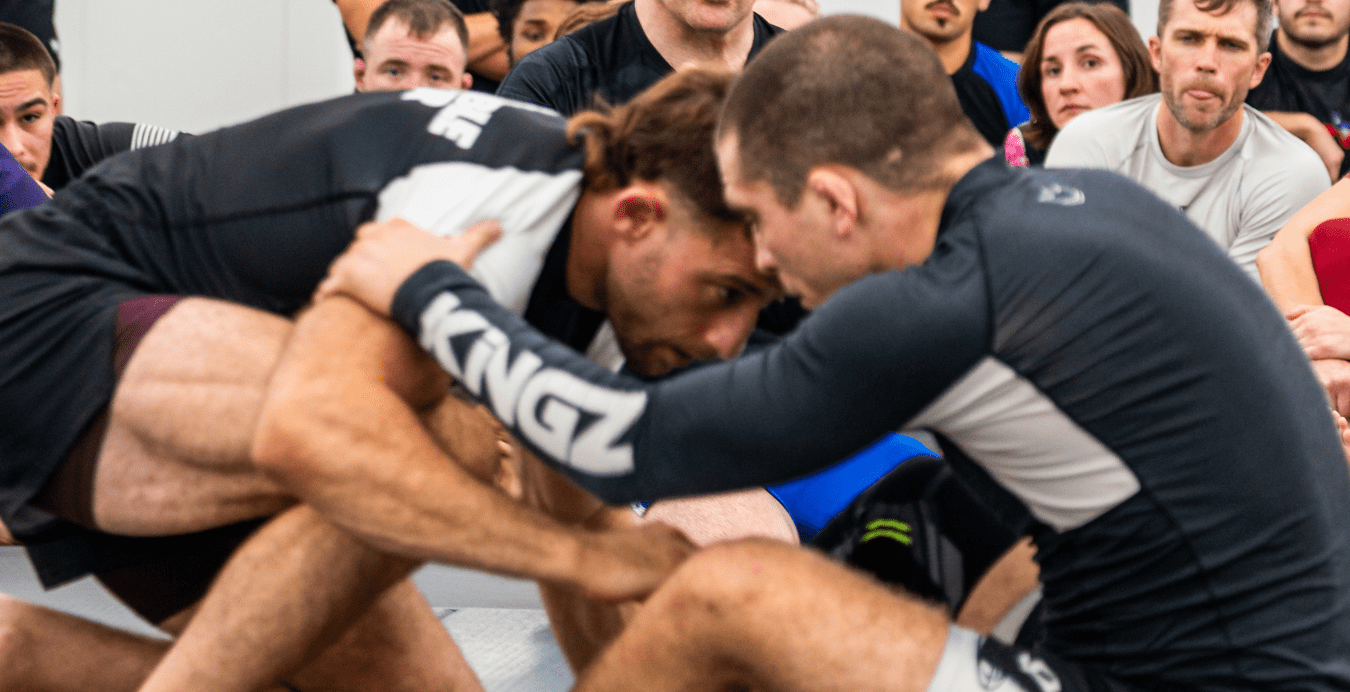
A typical gym can be useful, but it’s often anonymous. You might see familiar faces for months and never speak. Martial Arts works differently because progress is shared. You learn with partners, you practice timing and control, and you build trust through repetition. Over time, that shared effort turns into a community you can feel.
When we train, we’re not just “working out near each other.” We’re doing structured drills, learning how to move safely, and solving problems together. Even on a low-energy day, you can still contribute by being a good partner, showing control, and helping the room stay focused.
Community is also built into the feedback loop. You’ll hear quick coaching cues, you’ll see someone else’s breakthrough, and you’ll realize your own improvement is possible too. That mix of accountability and encouragement is hard to replicate elsewhere.
Connection comes from the structure, not forced small talk
Some people avoid group activities because they don’t want awkward icebreakers or pressure to be “on.” Training doesn’t require that. It gives you a clear role, a clear task, and a shared language. You can be quiet and still belong.
The structure helps in practical ways:
- You rotate partners, so you meet people naturally over time
- You share goals without needing to overshare your personal life
- You build familiarity through routine, which makes friendships easier to form
It’s normal to start out just trying to remember what to do. Then you notice you’re laughing between rounds, asking good questions, and staying a few minutes after class because you actually want to.
Martial Arts Classes in Austin: what you’re really looking for (even if you don’t say it)
Most people search for Martial Arts Classes in Austin with a simple goal: get in shape, learn self-defense, find something consistent. Those are great goals. But the deeper need is usually consistency with support. In a city like ours, the hardest part isn’t motivation, it’s maintaining a routine that doesn’t feel isolating.
Our approach is to make training feel accessible and repeatable. That means we coach the fundamentals clearly, keep classes organized, and create a room where beginners can train next to more experienced students without feeling lost.
You should also expect a culture that values control. Good training is not chaos. You can work hard without feeling like you’re getting thrown into the deep end on day one.
A South Austin routine is easier to keep
If you live or work in South Austin, convenience matters more than people admit. A program can be amazing on paper, but if it takes too long to get there, you’ll skip sessions, then you’ll drift, then you’ll quit. Neighborhood-based training reduces friction. It’s easier to train consistently when your school is part of your normal weekly map: work, home, errands, then class.
That consistency is where transformation shows up. Not overnight, not from one intense week, but from stacking months of doable sessions.
South Austin Jiu-Jitsu and the adult beginner: why this style clicks
A lot of adults are curious about South Austin Jiu-Jitsu because it looks practical and it feels honest. You learn how to control distance, manage pressure, and stay calm while solving a physical problem. You also learn quickly that technique matters more than brute strength, which is reassuring if you’re not trying to become a powerlifter.
Jiu-jitsu tends to attract people who want a mix of:
- Realistic self-defense skills
- Full-body conditioning without endless impact
- Mental engagement that pulls you out of work stress
And yes, it can be humbling at first. That’s normal. The good news is that beginner progress is very real when the coaching is progressive and the room is supportive.
You don’t need to “get in shape first”
This is one of the most common worries we hear. The truth is: training is how you get in shape. We scale intensity, we teach you how to breathe and move efficiently, and we build your base over time. If you wait until you feel ready, you might wait forever.
A better plan is to start where you are and train consistently:
- 2 days per week builds a strong habit and steady improvement
- 3 days per week speeds up skill retention and conditioning
- 4 or more days per week is possible, but recovery and scheduling matter
We’ll help you choose a pace that fits your life so you can keep showing up.
Group training vs private lessons: what changes, what stays the same
Austin has a big wellness culture, and you can see a growing interest in small-group coaching and instructor-led training. Martial Arts fits that preference well because the quality of coaching matters, and the group environment can be a major advantage.
Group classes give you variety: different partners, different body types, different timing problems to solve. You also get the community effect, which helps with consistency. Private training, on the other hand, can be a great fit if you want extra attention, a quieter environment, or a faster path through specific skill gaps.
Here’s how we typically explain it in real terms:
- Group classes help you build timing, adaptability, and comfort with normal training energy
- Private lessons help you refine details, troubleshoot specific positions, and progress with a personalized plan
- Many students combine both, using private sessions like a tune-up while group training builds real-world application
No matter which format you choose, the goal stays the same: safe, progressive training that gives you skills you can actually use.
What to expect in your first class (so you can relax a little)
Your first class should feel welcoming and organized. We’ll show you where to put your things, what the flow looks like, and how to work with a partner safely. You won’t be expected to “know the culture” already. Everyone starts somewhere.
Most classes follow a simple structure: warm-up, technical instruction, partner drills, and a controlled finishing phase that matches your experience level. Some days are more skill-focused, some days are more conditioning-focused, but the overall plan stays consistent so you can track your progress.
What to wear and bring
You don’t need a closet full of gear to start. For most beginners, simple is best:
- Comfortable athletic clothing that allows movement
- A water bottle, because you will use it
- Basic hygiene items like a towel if you want one for after class
- An open mind and a willingness to ask questions
If you’re unsure about what’s appropriate for the first session, checking the program details on the website can clear it up quickly.
Can you watch first?
If watching helps you feel comfortable, we can usually accommodate that. Seeing the pace of a class answers a lot of questions instantly: how partners work together, how coaching sounds, and whether the room feels like a good fit for you.
How Martial Arts supports mental health, stress relief, and focus
People often talk about Martial Arts like it’s only physical, but the mental benefits are a big reason adults stick with it. Training forces you into the present moment. You can’t half-think your way through a drill or a sparring round. Your attention gets pulled away from inbox stress and into breathing, posture, timing, and problem-solving.
Over time, this creates a few practical outcomes:
- Better stress management because you practice staying calm under pressure
- Improved focus because your mind learns to stay on one task at a time
- More confidence because you earn competence through repetition
It’s not magic. It’s practice. And it feels good to have one place in your week where the goal is clear and your effort is measurable.
Confidence that shows up outside the gym
Real confidence isn’t loud. It’s quiet. It’s the feeling that you can handle yourself, that you can make decisions under stress, and that you can keep going when something is challenging. Training builds that through small wins: a technique finally clicks, your conditioning improves, you stay composed in a tough round, you realize you’re not panicking anymore.
And the community piece matters here too. When you’re surrounded by people doing the same hard thing, your own “I can’t” story starts to fade. You see what consistency can do.
A simple path to progress: how often to train and what to track
If you want results from Martial Arts, the biggest factor is consistency. You don’t need perfect weeks. You need repeatable weeks. We encourage students to measure progress in ways that stay motivating even when life gets busy.
A few useful things to track:
1. Attendance per week, because consistency beats intensity
2. Recovery quality, including sleep and soreness levels
3. Technical notes, like one detail you want to remember next class
4. Stress levels after training, because that’s a real benefit
5. Small performance markers, like improved balance, grip endurance, or breathing control
When you track the basics, progress becomes obvious. And when progress is obvious, you keep showing up.
Take the Next Step
Building strength, skill, and connection in Austin doesn’t have to mean adding another isolated routine to your week. You can train hard, learn practical self-defense, and still feel supported, whether you’re showing up for South Austin Jiu-Jitsu fundamentals or broader Martial Arts skill-building.
That’s exactly what we’ve built at Simple Man Martial Arts: a place where your training is coached, structured, and community-centered, so you can grow steadily and feel like you belong while you do it.
Take your first step onto the mats and begin training at Simple Man Martial Arts today.