

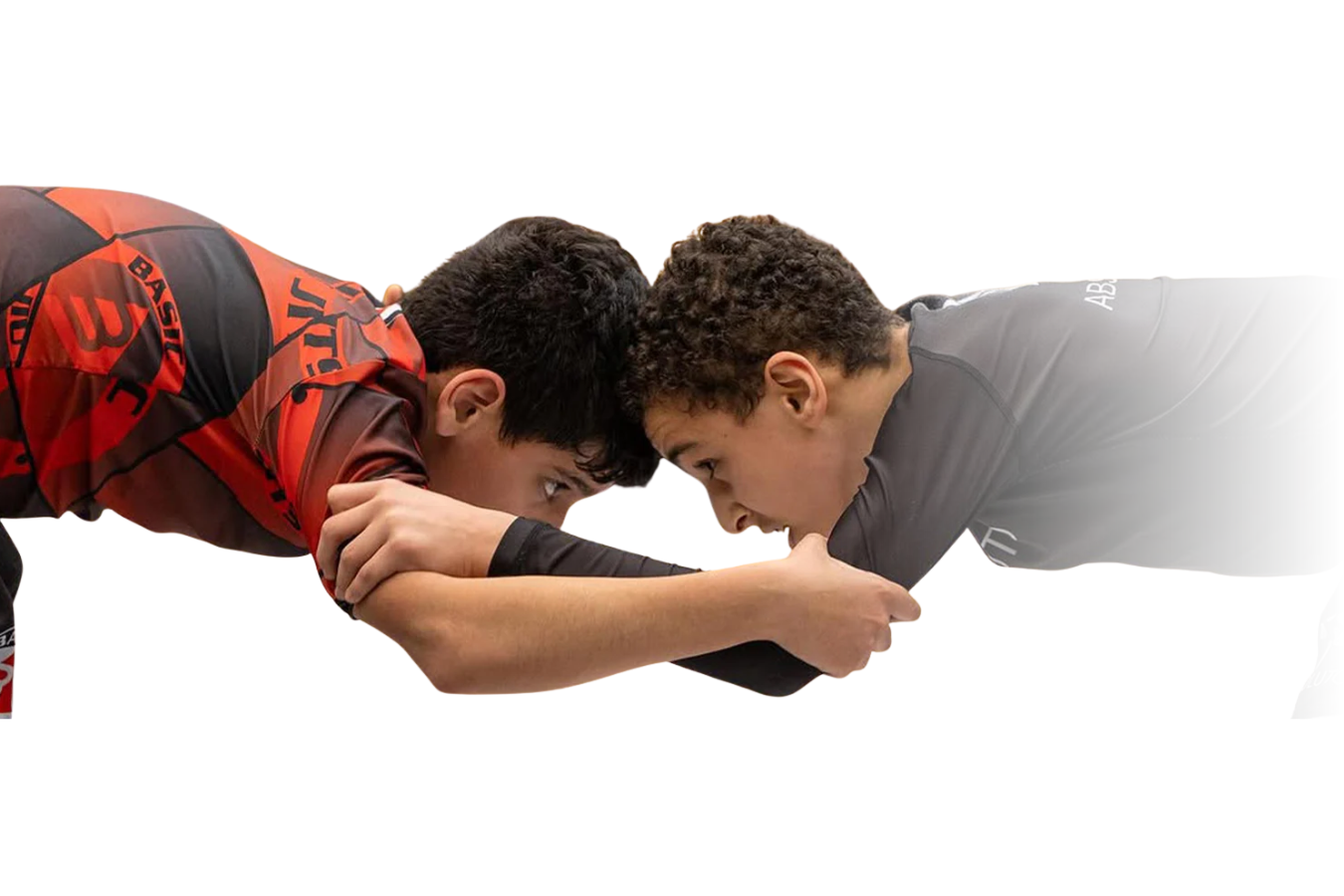
The right training doesn’t just burn energy, it builds habits your child can carry into school, friendships, and everyday life.
Parents in Austin are doing a constant balancing act: keeping kids active, helping them manage big emotions, and finding something that sticks in a world full of screens. Martial arts is one of the few activities that checks all those boxes at once because it blends fitness, focus, and character-building in a structured way.
We also know the bigger picture matters. Globally, about 80 out of 100 adolescents aren’t getting enough physical activity, and only about one in three kids is active every day. That’s not a moral failure or a parenting flaw, it’s just the reality of modern schedules, homework, and devices. Our job is to make movement and life skills feel doable, consistent, and honestly, enjoyable.
When you’re looking for martial arts in Austin, TX, you’re probably hoping for more than “a workout.” You want your child to feel confident, capable, and supported, whether your child is naturally outgoing or tends to hang back at first. That’s exactly the kind of growth we train for.
Why martial arts works so well for kids in Austin
Austin is active, outdoorsy, and full of families who care about wellness, but it’s also tech-heavy and busy. That mix creates a challenge: kids need a place to move, reset, and practice real social skills in real time, not just on a group chat. Martial arts gives children a routine that makes sense: show up, listen, try, improve, repeat.
A good program also fits the way kids actually learn. Instead of long lectures, our classes use short instruction, repetition, and clear goals. Kids get immediate feedback, small wins, and the chance to practice self-control while their heart rate is up. That detail matters, because staying calm is harder when you’re tired or frustrated.
In our experience, the best results come when training is consistent and structured, not chaotic. Kids start to expect effort from themselves, and that expectation quietly carries over into other parts of life.
The physical benefits: more than “getting energy out”
Yes, martial arts will help your child get active, but the physical improvements go deeper than most parents expect. Research across styles such as karate, judo, taekwondo, and aikido shows statistically significant gains in cardiorespiratory fitness, speed, agility, strength, flexibility, coordination, and balance. In plain terms, kids become better movers.
That matters in everyday Austin life. Better balance and coordination reduce clumsiness on playgrounds and in PE. Stronger core control supports posture at a desk. Improved agility helps kids feel more capable in sports and outdoor play, even if sports have never been “their thing.”
Martial arts is also a full-body activity that changes pace constantly. Kids accelerate, decelerate, rotate, and stabilize. That variety is a big reason it’s so effective as an intervention against inactivity and childhood obesity trends. It’s not monotone cardio. It’s skillful movement.
Focus, memory, and the “school spillover” effect
Parents often ask us if martial arts helps with school. The honest answer is that it can, and it usually shows up in a few specific ways: attention span, follow-through, and confidence when learning something new.
When your child practices combinations, footwork patterns, or step-by-step drills, our instructors ask for the same mental skills school demands: listening, remembering sequences, and correcting mistakes without melting down. Over time, this kind of structured practice supports cognitive function, concentration, and memory. Studies also link martial arts participation with improved academic performance and stronger problem-solving skills.
There’s a quieter benefit too. Kids learn how to be coached. That skill sounds simple until you see how many children struggle with feedback. On the mat, feedback is normal, expected, and safe. That attitude can carry into classrooms, tutoring, and even music lessons.
Emotional regulation: learning calm while things feel hard
Kids don’t only need “confidence.” Kids need tools for what to do when confidence isn’t there yet. Martial arts is one of the most practical ways to train emotional regulation because it asks children to stay respectful and controlled while trying something challenging.
Research has shown improvements in self-control and reductions in impulsive behavior, anxiety, and aggressiveness when kids train consistently in traditional martial arts programs. That doesn’t mean your child becomes a robot. It means your child practices the pause: breathe, reset, try again.
We build that pause into class on purpose. When a drill gets frustrating, we coach kids to re-focus instead of spiraling. When excitement gets too high, we coach kids to settle their bodies. Those skills translate directly to home life, homework time, and sibling conflict.
Social skills and confidence that feel real, not forced
A surprising number of kids who start martial arts in Austin are either shy, socially uncertain, or stuck in the “watching from the edge” phase. That’s not a problem. It’s a starting point.
We use partner drills and group activities to make social interaction structured. Kids don’t have to invent conversation. They have a job: hold pads correctly, take turns, encourage a partner, show respect. Over time, that structure builds comfort and connection.
Recent findings from 2021 to 2024 highlight psychological benefits like better peer interactions and stronger self-expression, and one study noted about 60 out of 100 parents observed increased public speaking confidence. We see similar patterns when kids earn milestones and learn to speak clearly during class routines. They stand taller because they’ve practiced doing hard things in front of others.
Does martial arts make kids more violent?
This question matters, and you deserve a clear answer: no. Martial arts training is built around control, not chaos. We teach kids that skill comes with responsibility and that de-escalation is the first goal, not the last resort.
Programs that emphasize traditional values and structured practice are associated with reduced aggression and improved emotional well-being. In class, we reinforce rules like listening, respecting partners, and using techniques only in appropriate contexts. That consistency is what makes martial arts a healthy, non-violent outlet rather than an excuse to act out.
If your child struggles with big reactions, training can become a place to practice calm behavior in a setting where expectations are clear and adults are paying attention.
What age should a child start?
Many kids do well starting around age 7, especially because that’s when attention and coordination tend to support more detailed instruction. Research also shows preschool programs can improve fitness early, but the most common and largest enrollment segment is ages 7 to 12, representing about 26 out of 100 martial arts participants in 2024. That trend makes sense: kids are old enough to follow structure but young enough that habits form fast.
We design our teaching to meet your child where your child is. Some kids jump in confidently on day one. Others need a few classes to feel comfortable. Either way, the goal is steady progress without pressure to “be perfect.”
If you’re unsure, a trial class usually answers the question quickly. You’ll see whether your child responds to the environment, and your child will feel what training is like instead of guessing.
What kids actually learn in our youth program
Martial arts isn’t a single skill. It’s a toolbox, and we teach it in layers so kids build real competence. While every class is a little different, our youth curriculum consistently develops:
• Fundamental movement skills like stance, footwork, and balance so kids feel coordinated and athletic
• Practical striking and defensive mechanics taught with control, helping kids understand distance and timing
• Listening habits and respectful routines so kids learn how to follow direction and work in a group
• Confidence through progression, because clear milestones motivate kids to stick with hard things
• Emotional control under pressure, using drills that require focus even when your child feels tired or frustrated
• Social responsibility, including partner safety, encouragement, and conflict de-escalation language
This approach keeps training lively while still building the habits that matter off the mat.
A realistic look at progress: what changes first, and what takes time
Most parents notice a few changes early: better sleep, a healthier “I can do it” attitude, and less restlessness after school. Those are common because kids are finally moving with purpose, not just fidgeting.
Other changes take longer, and that’s normal. Focus improves over weeks and months as kids repeat the same expectations. Confidence becomes more stable when your child has a track record of showing up and improving. Social ease grows as partner work starts feeling familiar.
If you want a simple way to track progress, look for three signs:
1. Your child can accept correction without shutting down
2. Your child can stay engaged for longer stretches of class
3. Your child starts using respectful language and calmer problem-solving at home
That’s thriving, and it’s the kind that lasts.
Martial arts as an antidote to screen-heavy habits
Austin families feel the screen pull, just like everyone else. Devices are useful, but they also train kids to seek fast rewards and constant novelty. Martial arts does the opposite in a healthy way: it trains patience, repetition, and earned progress.
Trends in youth training increasingly frame martial arts as a holistic supplement to modern lifestyles, especially for kids who need a structured place to build resilience and perseverance. In class, improvement is physical and visible. Your child can feel the difference in balance, timing, and confidence.
And because training is interactive and in-person, it gives kids something screens can’t: real feedback from a real coach in a real community.
Take the Next Step
Building a strong, focused, active child isn’t about finding a magic activity. It’s about finding a practice your child can return to week after week, even when life gets busy. That’s where martial arts shines, because every class develops fitness, self-control, and confidence in a way kids can actually understand.
If you want a program in Austin that helps your child thrive on and off the mat, we’d love to welcome you at Simple Man Martial Arts. You can use the website to explore the class schedule, learn how our youth curriculum works, and choose a starting point that feels comfortable for your family.
Ready to begin training? Join a martial arts class at Simple Man Martial Arts today.