If you want real fitness you can measure in sweat, stamina, and confidence, this is one of the most complete ways to train in Austin.
Austin is built for movement, but the weather does not always cooperate. When it is 100 degrees outside and the sun feels like it is sitting on your shoulders, even the most motivated runner can start negotiating with the snooze button. That is one reason we love martial arts as a fitness choice here - you get a full-body workout in a climate-controlled space, with structure, coaching, and a clear path forward.
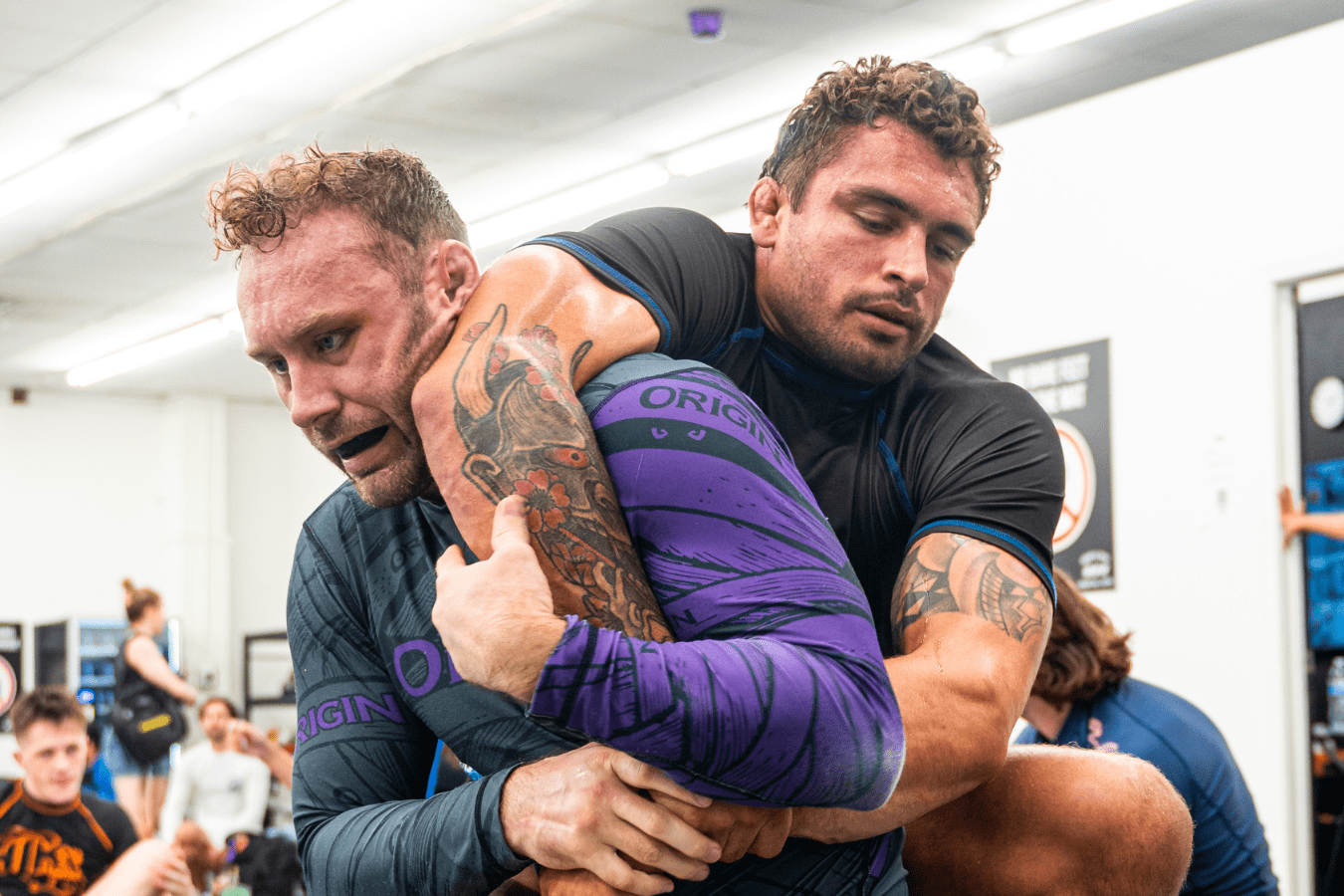
We also like that it is not just cardio, and it is not just strength. Martial arts blends athletic conditioning, coordination, mobility, and mental focus in a way that most gym routines struggle to match. A one-hour session can burn around 720 calories, and you are not simply grinding through reps - you are learning skills while your body adapts.
If you are looking for a routine that helps with weight loss, posture, flexibility, stamina, and stress management, the training checks a lot of boxes. Below are five Austin-specific reasons this approach fits our city so well, plus some practical tips on how to make it work with a busy schedule.
Reason 1: A high-calorie workout that beats the Austin heat
Austin has no shortage of outdoor fitness options, but summer can turn “quick workout” into “why am I doing this” pretty fast. With martial arts, you can train hard indoors and still get the kind of conditioning you normally associate with long runs, rowing, or intense circuit classes. Research-backed estimates put the burn at roughly 720 calories per hour, which is a big deal if your goal is fat loss or improving overall work capacity.
The difference is that the effort is naturally varied. You are moving through combinations, drilling techniques, and building power in short bursts. That mix of aerobic and anaerobic work is exactly what newer studies on combat sports highlight - improvements in endurance, muscular strength, neuromuscular control, and overall cardiovascular function show up when people train consistently, even over relatively short blocks like six weeks.
There is also a sneaky benefit Austinites appreciate: efficiency. Instead of splitting your week into separate workouts for cardio, strength, and mobility, our classes let you train multiple qualities in one place. You walk out tired, sure, but it is the satisfying kind of tired - like your body did something meaningful.
How we make the conditioning feel doable (even at first)
Starting does not require you to “already be in shape.” We build intensity progressively so your lungs, legs, and coordination can catch up. In practice, that means:
- We teach technique first, because good form prevents you from wasting energy
- We scale rounds and drills so you can work hard without getting overwhelmed
- We rotate training focuses so you do not feel stuck doing the same thing every class
Reason 2: Mental resilience for the Silicon Hills workday
A lot of Austinites work in fast-paced environments where your brain never really shuts off. Meetings stack up. Screens stay bright late into the evening. Even when you are technically off the clock, your mind is still chewing on problems. Martial arts helps because it forces a different kind of focus - the present-tense kind.
Studies in recent years have linked martial arts training with reductions in anxiety and depressive symptoms, along with improvements in self-control and emotional regulation. That matters in real life, not just in a motivational-quote way. When you practice staying calm while your heart rate is elevated, you are training your nervous system to handle stress better. It is one thing to “know” you should breathe. It is another thing to do it while you are tired and still need clean technique.
We also see a practical carryover into work and school: improved attention. Your mind has to track distance, timing, and posture, and it has to do it without panicking. That kind of mental repetition builds focus like a muscle. And unlike scrolling or doom-refreshing, this focus feels restorative.
Martial arts fits the 2024 to 2025 trend toward mind-body fitness
Austinites have embraced yoga, Pilates, and other mind-body formats for good reason. But if you want a similar mental reset plus higher-intensity conditioning, martial arts gives you both. You still get coordination, mobility, and breath control. You also get stress resilience training that feels very grounded: do the work, stay sharp, keep going.
Reason 3: Full-body strength, mobility, and posture in one program
If you have ever followed a typical gym plan, you know how easy it is to accidentally create gaps. Maybe you lift but never move laterally. Maybe you run but do not train rotation. Maybe you sit all day, then try to “fix” it with a single stretch at night. Martial arts has a way of smoothing out those gaps because the movements demand alignment, balance, and controlled power.
You are using your legs for stance and footwork, your core for stability and rotation, and your upper body for strikes, frames, and defensive positions. Over time, that can improve posture, flexibility, and joint control. Research also supports improvements in balance and neuromuscular coordination, which reduces the clumsy, stiff feeling many adults accept as normal.
And yes, the strength is real. The goal is not bodybuilding. It is usable strength: the kind that makes stairs easier, makes your back feel more supported, and makes weekend adventures less punishing.
What “full-body” really means in training
In a normal week of classes, you will typically touch:
- Cardio conditioning through rounds, drills, and continuous movement
- Lower-body strength from stance work, kicks, and footwork patterns
- Core strength from rotation, bracing, and controlled breathing under effort
- Upper-body endurance through repeated technique practice and pad work
- Mobility and flexibility through warmups and athletic ranges of motion
That blend is why martial arts is such a strong fitness foundation for people who want results without living at the gym.
Reason 4: Family-friendly fitness that actually keeps everyone engaged
Austin is full of growing families, and schedules are packed. One of the biggest challenges is finding an activity that works for kids and adults without turning into a logistical headache. Martial arts solves part of that problem because it can be a shared routine, even when family members are in different age groups or training levels.
National enrollment trends show kids ages 7 to 12 are the largest segment in martial arts, and it makes sense. Training gives kids structure, confidence, and a positive outlet for energy. At the same time, parents are not just sitting on the sidelines. Adults get conditioning, stress relief, and skill development that feels purposeful.
We keep the training environment respectful and controlled. This is not about aggression. It is about learning boundaries, building discipline, and practicing techniques safely. That combination can be especially valuable for kids who need help with attention, impulse control, or confidence in social settings. Research into therapeutic applications continues to grow, including promising outcomes for mental health support and improvements in social behavior for some populations.
A simple way families can get results without burnout
Consistency beats intensity. For most families, the sweet spot looks like:
1. Pick two class days per week that are realistic, not aspirational
2. Treat training like an appointment, because it is easier than “finding time”
3. Focus on small wins for six weeks, then reassess goals and schedule
Six weeks is not magic, but studies on programs like Muay Thai show measurable improvements in physical and mental quality of life in that kind of timeframe. It is long enough to feel change and short enough to commit without overthinking it.
Reason 5: Data-driven progress that matches Austin’s tech mindset
Austinites love data. Steps, sleep scores, HRV, VO2 max estimates - we track it all. Fitness trends from 2024 to 2025 show that a large share of wearable users rely on recovery and performance metrics to guide training decisions. Martial arts fits perfectly with that approach because your progress is both measurable and tangible.
You can track heart rate response during rounds, recovery between drills, and how quickly your breathing settles after intense work. You can also see performance improvements in ways that feel more satisfying than a scale number: cleaner technique, sharper timing, better balance, more composure under fatigue.
We like using simple benchmarks so you know you are improving. Not complicated spreadsheets, just clear feedback:
- How long you can maintain strong form before fatigue changes it
- How steady your breathing stays during longer rounds
- How quickly you recover between high-effort efforts
- How consistent your movement looks across both sides of your body
A note on safety and injury risk
People sometimes worry that martial arts automatically means getting hurt. In reality, injury risk stays low when training is coached well, intensity is progressed intelligently, and partners drill with control. Research points to posture and balance improvements that can outweigh the risks for many people, especially when the focus is skill development, not reckless contact.
Ready to Begin
If you live here, you already know Austin rewards the people who find routines that are sustainable year-round. Martial arts works because it is efficient, scalable, and genuinely engaging - you train your body and your mind at the same time, without needing perfect weather or endless hours.
We built our approach at Simple Man Martial Arts around helping Austinites train consistently, safely, and with purpose, whether your priority is fitness, stress relief, family structure, or simply learning something that makes you feel more capable in your own skin.
Challenge yourself physically and mentally by joining a martial arts class at Simple Man Martial Arts.